
The Inhambane Atlas
A Cartography of Place, Culture, and Ecology
An Invitation to Look Closer
To truly know a place requires more than simply passing through it. It asks us to slow down, pay attention, and begin to understand the deeper contexts that shape what we see. The Inhambane Atlas is a comprehensive local study designed for the observant traveler. It maps the overlapping layers of history, culture, people, and nature that define the Inhambane Peninsula.
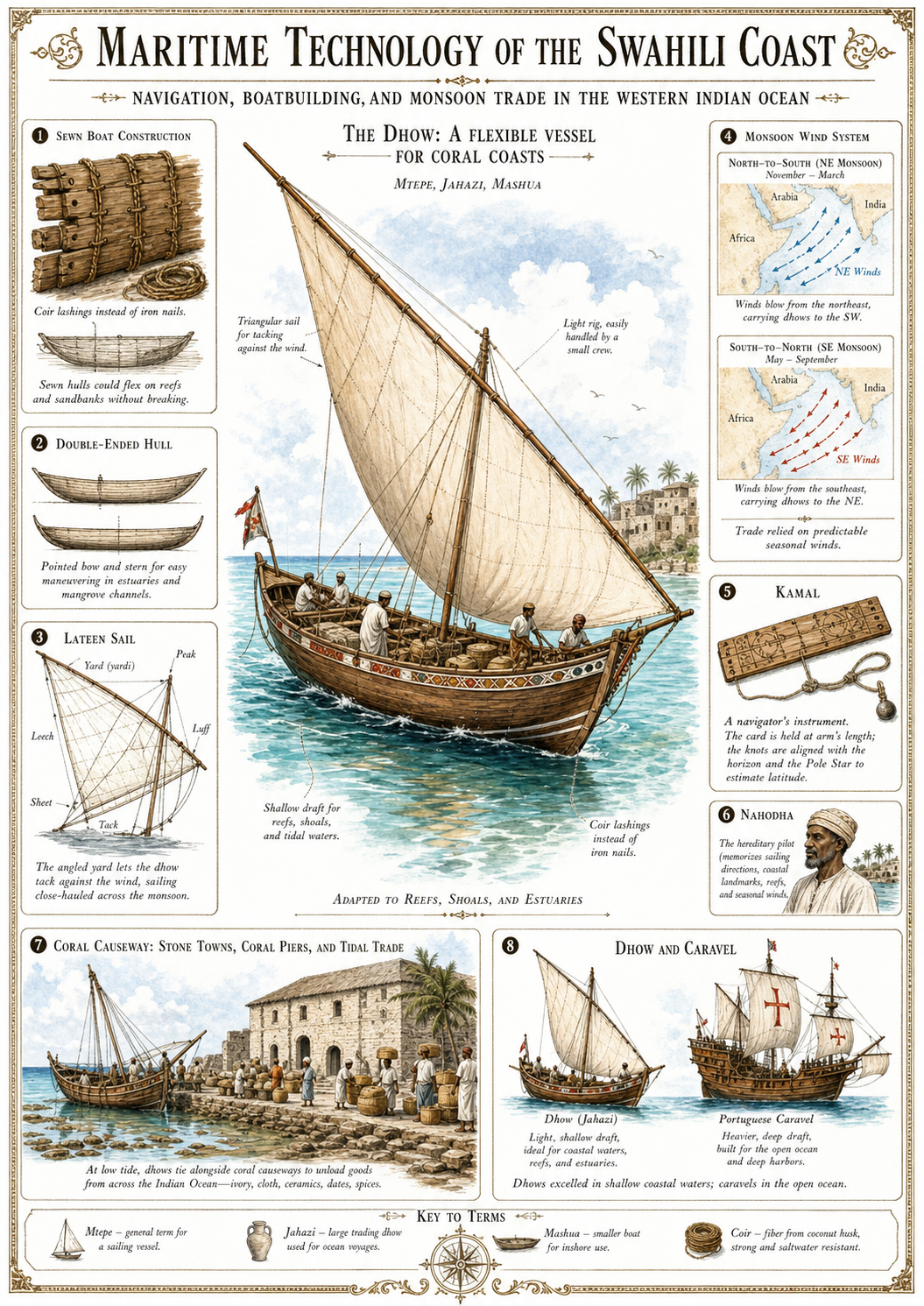
The atlas charts a landscape shaped by the Indian Ocean and by millennia of continuous human presence. It traces the region’s deep history, from the ancient coastal trading port of Chibuene to the enduring traditions of the Tonga people who call this coast home. Within its pages are records of the Vavumbi women who have shaped Mutamba River clay by hand for more than a thousand years, alongside the province’s rich traditions of sipatsi pattern-weaving and timbila music.
The atlas also serves as a detailed ecological record of the Manta Coast and its surrounding dunes. It documents the migratory rhythms of humpback whales, the resident megafauna of the deep-water volcanic reefs, and the diverse birdlife that inhabits the coastal scrub and vertical palm forests.
Together, these layers form a study of how place, craft, history, and environment are inextricably linked.